Anjeline: A Romantic Script Font for Web Design
Working on a boutique online store project, I was looking for a font that could bring a touch of elegance and personality to the homepage. After testing several options, Anjeline stood out as a perfect fit. It’s a script font with a soft, flowing style that feels both modern and timeless. The PUA encoding makes it easy to access all the glyphs and swashes, which is a huge plus when customizing text for design elements.
Visual Characteristics and Digital Appeal
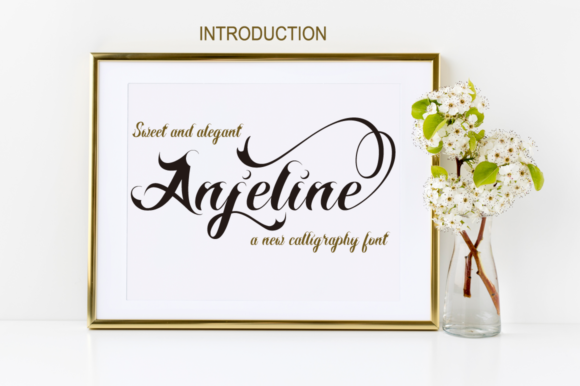
Anjeline has a romantic and artistic vibe that works well in web design. Its curves are smooth, and the strokes have a natural, handcrafted feel. This makes it ideal for headers, logos, and decorative text. When used in a hero section with a background image, it adds a sense of sophistication without overwhelming the viewer.
As a script font, Anjeline isn’t meant for body copy, but it shines in short phrases and titles. I found it particularly effective for call-to-action buttons and section headings. Its visual appeal helps draw attention and create a more engaging user experience.
Real-World Use Cases
In a recent project, I used Anjeline for a coaching website’s header. The font added a personal and approachable tone that matched the brand’s message. On mobile devices, it remained legible and didn’t distort, which is crucial for responsive layouts. I also experimented with it on a product landing page, where it worked well for the main headline and supporting text.
For a creative portfolio site, Anjeline helped set the tone for the designer’s work. It paired nicely with a simple sans serif font for body text, creating a balanced look. The contrast between the decorative script and clean sans serif made the content easier to read while maintaining a stylish aesthetic.
Readability and User Experience
When using Anjeline on small buttons or dark backgrounds, I noticed that the font’s thin strokes could be harder to read. To address this, I increased the font size slightly and adjusted the line height. This improved readability without sacrificing the font’s charm.
On light backgrounds, Anjeline looked crisp and clear, making it a good choice for headlines and banners. I also tested it over image overlays, where its soft curves complemented the visuals without clashing. For fast-loading pages, the font’s file size was manageable, and it didn’t slow down the site’s performance.
Font Pairing and Brand Identity
Pairing Anjeline with a complementary font can enhance a website’s overall design. I often pair it with a modern sans serif for body text, which creates a clean and professional look. For editorial-style sites, pairing it with a serif font can add depth and character.
When building a digital brand kit, Anjeline can serve as a signature element. It works well for logo design, social media graphics, and promotional materials. Its versatility allows it to adapt to different formats while maintaining a cohesive identity.
Practical Considerations
Before using Anjeline on a website, it’s important to check the available styles, weights, and alternates. The font includes multiple variations that can be used for different design needs. For web use, I made sure to confirm the webfont availability and licensing terms to avoid any issues with commercial projects.
Support for multilingual characters is another factor to consider. Anjeline includes a range of glyphs that can accommodate various languages, making it suitable for international websites. This is especially useful for online stores or global brands.
Overall, Anjeline is a great addition to any web designer’s toolkit. Its romantic and elegant style brings a unique flair to digital projects, while its practical features make it easy to use in real-world scenarios. Whether you’re designing a boutique store, a coaching website, or a creative portfolio, Anjeline can help elevate your brand’s visual identity.
Testing it in different layouts and environments gave me confidence in its reliability and beauty. As a script font, it may not be the best choice for every part of a website, but when used thoughtfully, it can make a significant impact on the overall user experience.